2.3 - תבניות התנהגות - הרצאה
תבניות התנהגות - Behavioral Patterns
תבניות התנהגות עוסקות בתקשורת ואחריות בין אובייקטים - מי מחליט מה, ואיך אובייקטים מגיבים לevents.
נכיר שלוש תבניות: Observer, Strategy ו-Command.
Observer - משקיף
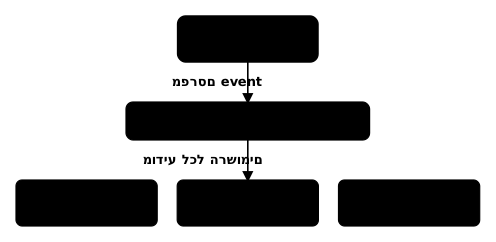
הבעיה: כשמשהו קורה באובייקט אחד, אובייקטים אחרים צריכים לדעת ולהגיב - אבל אנחנו לא רוצים שהאובייקט הראשון יידע מי מקשיב לו.
הפתרון: האובייקט "מפרסם" events, והמעוניינים "נרשמים" לevents שמעניינים אותם.
בלי Observer - בעיתי
class TaskService:
    def complete_task(self, task_id: int):
        task = self._repo.find_by_id(task_id)
        task["status"] = "done"
        self._repo.save(task)

        # TaskService knows everyone who needs to be notified - a problem!
        EmailService().send_completion_email(task)
        SlackService().notify_channel(task)
        AuditLogger().log_completion(task)
        StatisticsService().increment_completed(task)
אם רוצים להוסיף שירות חדש, צריך לשנות את TaskService. הוא יודע יותר מדי.
עם Observer
from abc import ABC, abstractmethod


class TaskEvent:
    def __init__(self, event_type: str, task: dict):
        self.event_type = event_type
        self.task = task


class TaskEventListener(ABC):
    @abstractmethod
    def on_task_event(self, event: TaskEvent):
        pass


class EventBus:
    def __init__(self):
        self._listeners: dict[str, list[TaskEventListener]] = {}

    def subscribe(self, event_type: str, listener: TaskEventListener):
        if event_type not in self._listeners:
            self._listeners[event_type] = []
        self._listeners[event_type].append(listener)

    def publish(self, event: TaskEvent):
        for listener in self._listeners.get(event.event_type, []):
            listener.on_task_event(event)


class EmailNotificationListener(TaskEventListener):
    def on_task_event(self, event: TaskEvent):
        if event.event_type == "task_completed":
            print(f"Sending email: task '{event.task['title']}' completed")


class SlackNotificationListener(TaskEventListener):
    def on_task_event(self, event: TaskEvent):
        print(f"Slack: task '{event.task['title']}' changed - {event.event_type}")


class AuditLogListener(TaskEventListener):
    def on_task_event(self, event: TaskEvent):
        print(f"[AUDIT] {event.event_type}: {event.task}")


class TaskService:
    def __init__(self, event_bus: EventBus):
        self._event_bus = event_bus
        self._tasks = {}

    def complete_task(self, task_id: int):
        task = self._tasks.get(task_id, {"id": task_id, "title": f"Task {task_id}"})
        task["status"] = "done"
        # TaskService doesn't know who's listening - it just publishes
        self._event_bus.publish(TaskEvent("task_completed", task))


# Wiring everything together
bus = EventBus()
bus.subscribe("task_completed", EmailNotificationListener())
bus.subscribe("task_completed", SlackNotificationListener())
bus.subscribe("task_completed", AuditLogListener())

service = TaskService(bus)
service.complete_task(42)
עכשיו אפשר להוסיף StatisticsListener בלי לשנות שורה אחת ב-TaskService.
Strategy - אסטרטגיה
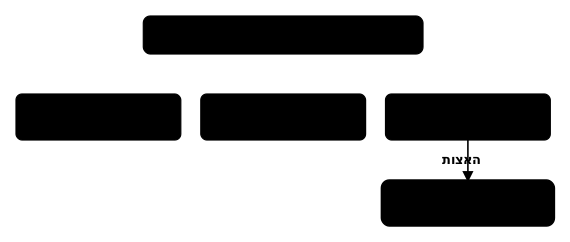
הבעיה: יש לנו אלגוריתם שמשתנה בהתאם להקשר. אנחנו לא רוצים ערמות של if/elif.
הפתרון: הגדרת "משפחה" של אלגוריתמים שניתן להחלפה בזמן ריצה.
דוגמה: מיון משימות
from abc import ABC, abstractmethod


class TaskSortStrategy(ABC):
    @abstractmethod
    def sort(self, tasks: list[dict]) -> list[dict]:
        pass


class SortByDueDate(TaskSortStrategy):
    def sort(self, tasks: list[dict]) -> list[dict]:
        return sorted(tasks, key=lambda t: t.get("due_date") or "9999-12-31")


class SortByPriority(TaskSortStrategy):
    PRIORITY_ORDER = {"critical": 0, "high": 1, "normal": 2, "low": 3}

    def sort(self, tasks: list[dict]) -> list[dict]:
        return sorted(tasks, key=lambda t: self.PRIORITY_ORDER.get(t.get("priority", "normal"), 2))


class SortByTitle(TaskSortStrategy):
    def sort(self, tasks: list[dict]) -> list[dict]:
        return sorted(tasks, key=lambda t: t.get("title", ""))


class TaskList:
    def __init__(self, tasks: list[dict]):
        self._tasks = tasks
        self._sort_strategy: TaskSortStrategy = SortByDueDate()

    def set_sort_strategy(self, strategy: TaskSortStrategy):
        self._sort_strategy = strategy

    def get_sorted_tasks(self) -> list[dict]:
        return self._sort_strategy.sort(self._tasks)


# usage
tasks = [
    {"title": "Fix bug", "priority": "high", "due_date": "2026-04-10"},
    {"title": "Write documentation", "priority": "low", "due_date": "2026-04-05"},
    {"title": "review code", "priority": "normal", "due_date": "2026-04-08"},
]

task_list = TaskList(tasks)

task_list.set_sort_strategy(SortByDueDate())
print("By date:", [t["title"] for t in task_list.get_sorted_tasks()])

task_list.set_sort_strategy(SortByPriority())
print("By priority:", [t["title"] for t in task_list.get_sorted_tasks()])

task_list.set_sort_strategy(SortByTitle())
print("By title:", [t["title"] for t in task_list.get_sorted_tasks()])
Command - פקודה
הבעיה: רוצים לעטוף פעולות כאובייקטים - כדי לדחות ביצוע, לתור אותן, לבטל אותן (undo), או לתעד אותן.
הפתרון: כל פעולה הופכת לאובייקט עם execute() ו-undo().
דוגמה: undo/redo במערכת משימות
from abc import ABC, abstractmethod


class Command(ABC):
    @abstractmethod
    def execute(self) -> None:
        pass

    @abstractmethod
    def undo(self) -> None:
        pass

    @abstractmethod
    def description(self) -> str:
        pass


class TaskDB:
    """Simulates a simple database"""
    def __init__(self):
        self._tasks: dict[int, dict] = {}
        self._next_id = 1

    def insert(self, task: dict) -> int:
        task_id = self._next_id
        self._tasks[task_id] = {**task, "id": task_id}
        self._next_id += 1
        return task_id

    def delete(self, task_id: int) -> dict:
        return self._tasks.pop(task_id, None)

    def update(self, task_id: int, **fields):
        if task_id in self._tasks:
            self._tasks[task_id].update(fields)

    def get(self, task_id: int) -> dict | None:
        return self._tasks.get(task_id)


class CreateTaskCommand(Command):
    def __init__(self, db: TaskDB, title: str, owner_id: int):
        self.db = db
        self.title = title
        self.owner_id = owner_id
        self._created_id: int | None = None

    def execute(self) -> None:
        self._created_id = self.db.insert({"title": self.title, "owner_id": self.owner_id})

    def undo(self) -> None:
        if self._created_id:
            self.db.delete(self._created_id)

    def description(self) -> str:
        return f"Creating task: {self.title}"


class UpdateTaskStatusCommand(Command):
    def __init__(self, db: TaskDB, task_id: int, new_status: str):
        self.db = db
        self.task_id = task_id
        self.new_status = new_status
        self._old_status: str | None = None

    def execute(self) -> None:
        task = self.db.get(self.task_id)
        if task:
            self._old_status = task.get("status")
            self.db.update(self.task_id, status=self.new_status)

    def undo(self) -> None:
        if self._old_status is not None:
            self.db.update(self.task_id, status=self._old_status)

    def description(self) -> str:
        return f"Updating status of task {self.task_id} to {self.new_status}"


class CommandHistory:
    def __init__(self):
        self._history: list[Command] = []

    def execute(self, command: Command) -> None:
        command.execute()
        self._history.append(command)
        print(f"Executed: {command.description()}")

    def undo(self) -> None:
        if not self._history:
            print("No actions to undo")
            return
        command = self._history.pop()
        command.undo()
        print(f"Undone: {command.description()}")

    def history(self) -> list[str]:
        return [cmd.description() for cmd in self._history]


# usage
db = TaskDB()
history = CommandHistory()

history.execute(CreateTaskCommand(db, "Fix bug", owner_id=1))
history.execute(UpdateTaskStatusCommand(db, 1, "in_progress"))
history.execute(UpdateTaskStatusCommand(db, 1, "done"))

print("History:", history.history())

history.undo()  # undoing "done"
history.undo()  # undoing "in_progress"

print("History after undo:", history.history())
סיכום
| תבנית | מה היא פותרת |
|---|---|
| Observer | תקשורת בין אובייקטים בלי תלות ישירה |
| Strategy | החלפת אלגוריתמים בזמן ריצה |
| Command | עטיפת פעולות כאובייקטים לצורך undo/queue/log |